There’s a reason the classic baked cheesecake holds such an esteemed place in the world of desserts. Its sublime combination of a buttery, crisp crust and an impossibly smooth, rich, and tangy cream cheese filling is a triumph of baking. While it may seem intimidating to beginners, achieving that flawless, crack-free texture is absolutely within reach with the right guidance.
This detailed recipe walks you through every step to create a show-stopping homemade cheesecake that rivals any bakery’s best. It’s a main course of indulgence, perfect for celebrations, special dinners, or when you simply crave a truly spectacular dessert.
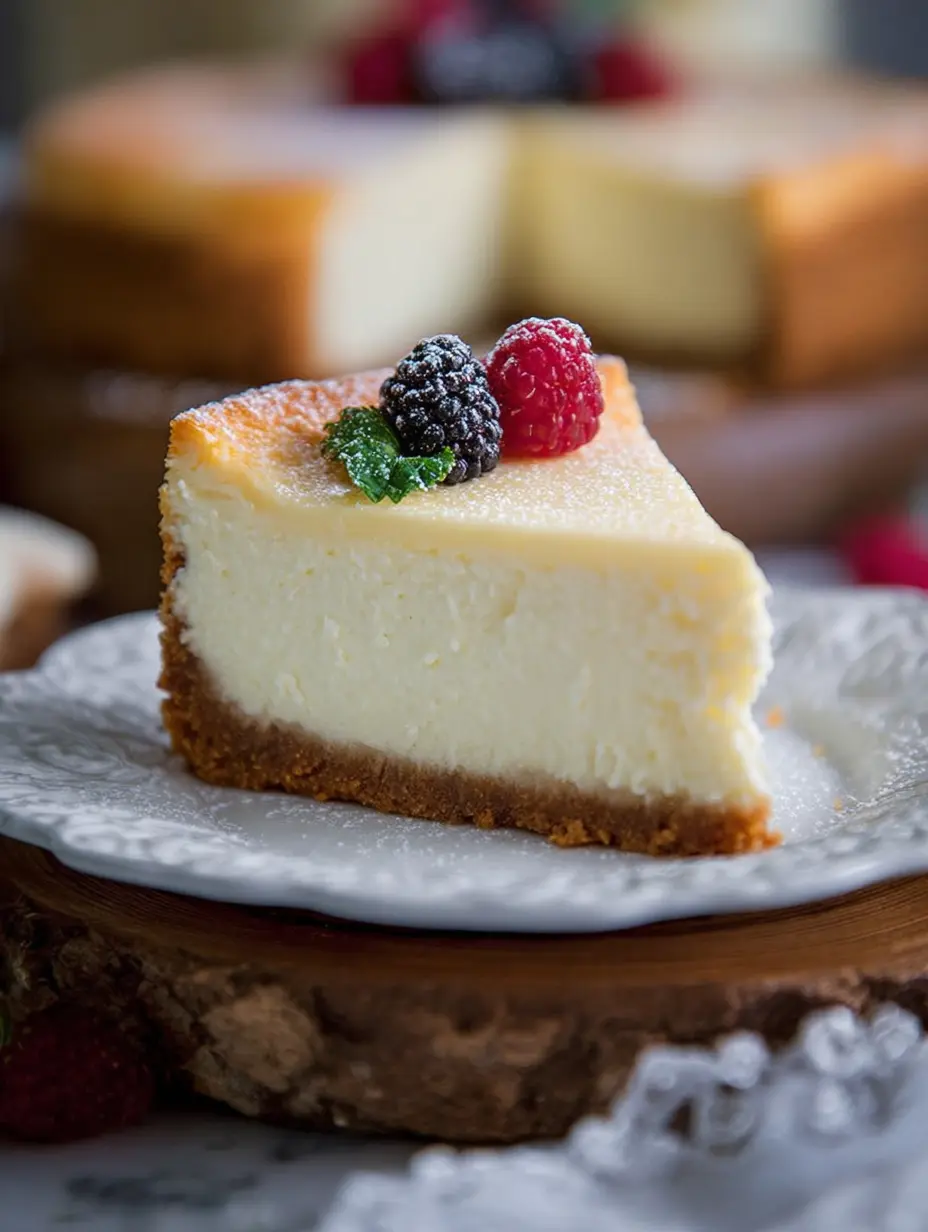
Why This Classic Cheesecake Recipe Works
This recipe is engineered for success. It uses the gentle heat of a water bath to bake the cheesecake evenly, preventing cracks and ensuring a creamy, melt-in-your-mouth texture. The combination of full-fat cream cheese, sour cream, and eggs at room temperature is non-negotiable for a smooth, lump-free batter.
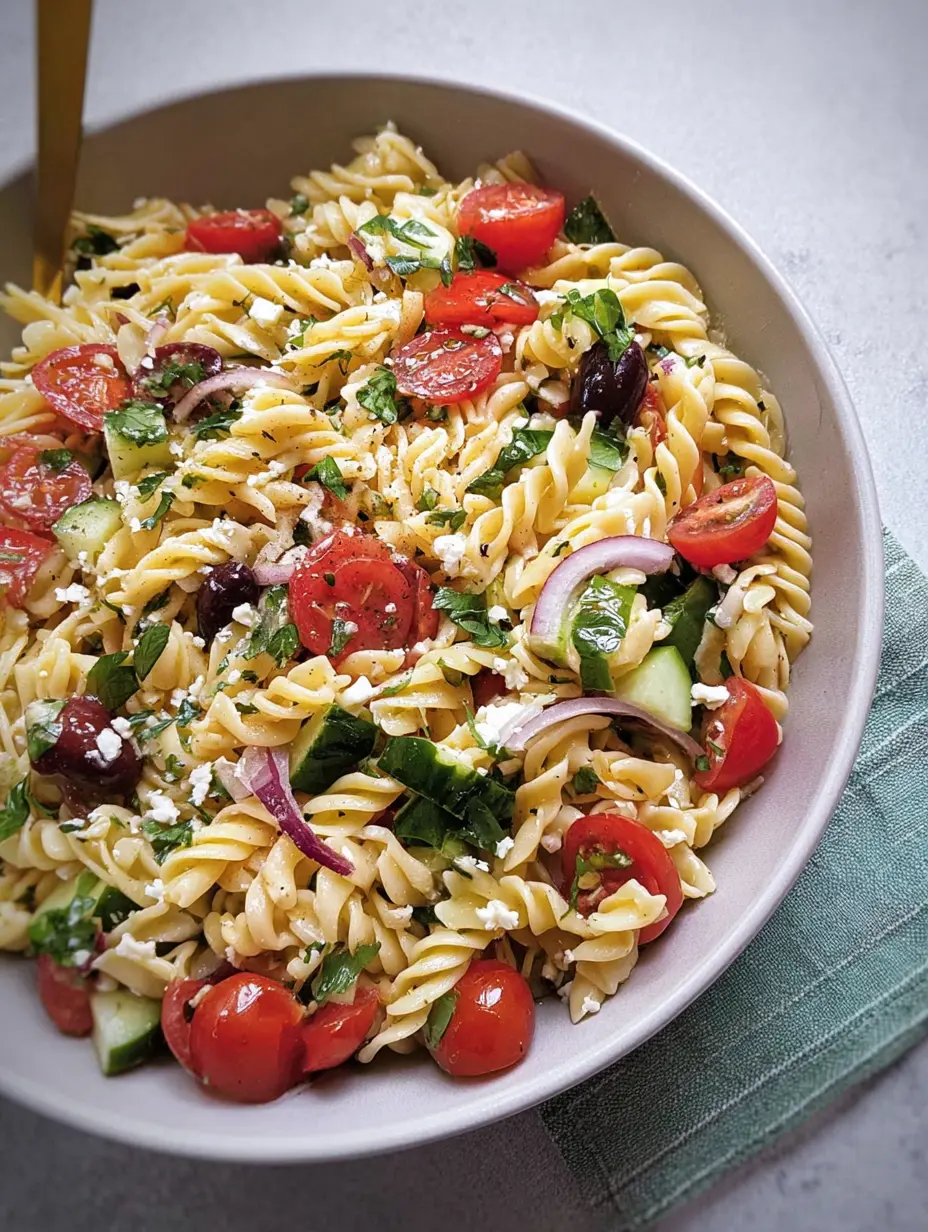
The graham cracker crust provides the ideal sweet and crunchy contrast to the lush filling. Unlike no-bake versions, the baked method deepens the flavor and creates that signature dense-yet-creamy consistency cheesecake lovers adore. Pairing a slice with a fresh Greek salad for a light starter creates a perfect meal balance.
Essential Ingredients and Substitutions
Quality ingredients are the foundation of a great cheesecake. Let’s break them down:
For the Crust
- Graham Cracker Crumbs: The classic choice, offering a honey-kissed sweetness. You can buy pre-crushed crumbs or pulse whole crackers in a food processor.
- Sugar & Brown Sugar: A touch of brown sugar adds a subtle caramel note. All white sugar works fine.
- Butter: Use unsalted butter, melted, to bind the crumbs. This creates a sturdy, flavorful base.
For the Filling
- Cream Cheese: Use full-fat, brick-style cream cheese. Low-fat varieties contain more water and can lead to a loose texture. Ensure it is softened to room temperature for a smooth blend.
- Sugar: Granulated white sugar sweetens and helps structure the filling.
- Sour Cream: This is the secret to a luxuriously tangy and creamy texture. Full-fat sour cream is best.
- Vanilla Extract: Use pure vanilla extract for the best flavor.
- Salt: A small amount enhances all the other flavors.
- Eggs: Large eggs, at room temperature, are lightly beaten before adding. They provide structure and richness. Adding them last and mixing on low speed minimizes air bubbles.
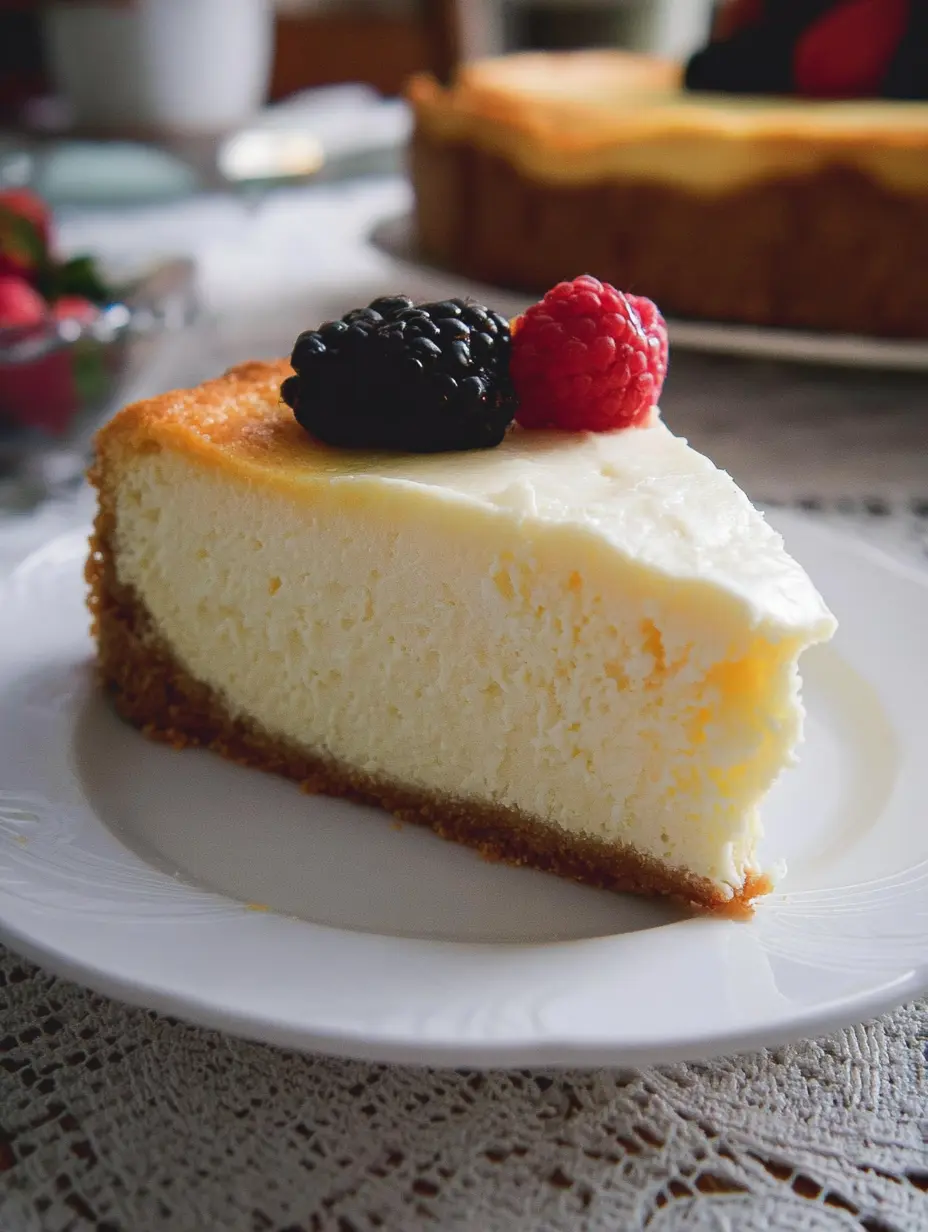
Step-by-Step Instructions for a Flawless Cheesecake
Follow these steps carefully for a perfect result every time.
Step 1: Prep the Pan and Crust
Preheat your oven to 325°F (160°C). Wrap the outside bottom and sides of a 9-inch springform pan tightly with a double layer of heavy-duty aluminum foil. This is crucial to prevent water from the water bath seeping in. In a medium bowl, combine the graham cracker crumbs, sugar, and brown sugar.
Pour in the melted butter and mix with a fork until the mixture resembles wet sand and holds together when pinched. Press this mixture firmly and evenly into the bottom and about 1 inch up the sides of the prepared pan.
Use the bottom of a measuring cup to pack it down tightly. Pre-bake the crust for 10 minutes, then let it cool on a wire rack while you make the filling. Reducing the oven temperature to 300°F (150°C) for the next step is recommended.
Step 2: Make the Cream Cheese Filling
In the bowl of a stand mixer fitted with a paddle attachment (or using a large bowl and hand mixer), beat the softened cream cheese on medium-low speed until completely smooth and creamy, about 2-3 minutes. Scrape down the bowl and beater. Add the sugar and beat on low until fully incorporated.
Add the sour cream, vanilla extract, and salt, mixing on low until just combined. Scrape the bowl again. With the mixer on the lowest setting, gradually add the lightly beaten eggs. Mix only until the yolks disappear and the batter is uniform. Overmixing at this stage incorporates too much air, which can cause cracks. The batter should be thick, smooth, and glossy.
Step 3: The Water Bath and Baking
Pour the filling over the cooled crust. Tap the pan firmly on the counter a few times to release any large air bubbles. Place the foil-wrapped springform pan into a large roasting pan. Place the roasting pan in the oven, then carefully pour hot water into the roasting pan until it comes about halfway up the sides of the springform pan. Bake at 300°F (150°C) for 65-75 minutes.
The edges will be set, but the center (about a 3-inch circle) should still jiggle slightly when the pan is gently shaken it will firm up as it cools. Turn off the oven, crack the oven door open, and let the cheesecake cool in the oven for 1 hour. This gradual cooling is the final key to preventing cracks.
Step 4: Chilling and Serving
Remove the cheesecake from the water bath and run a thin knife around the inner edge of the pan to loosen it (this also helps prevent cracking as it shrinks while cooling). Let it cool completely on a wire rack at room temperature, then refrigerate, uncovered, for at least 6 hours, preferably overnight.
This long chill is essential for perfect slicing and flavor development. Serve plain, or with fresh berries, a fruit compote, or a drizzle of caramel. It’s a rich centerpiece that pairs wonderfully with lighter dishes like a creamy baba ghanoush appetizer or a summer salmon skillet for a complete dining experience.
Expert Tips and FAQ
Avoiding Cracks
The dreaded crack is the baker’s nemesis. Prevent it by: using room temperature ingredients, not overmixing the batter (especially after adding eggs), using a water bath, and cooling the cheesecake gradually in the turned-off oven.
Storing and Freezing
Cover tightly and store in the refrigerator for up to 5 days. For longer storage, freeze the whole cheesecake or individual slices. Wrap tightly in plastic wrap, then foil, and freeze for up to 2 months. Thaw overnight in the refrigerator before serving.
Can I Use a Different Crust?
Absolutely! Digestive biscuits, vanilla wafers, or even crushed ginger snaps make excellent crusts. Follow the same crumb-to-butter ratio.
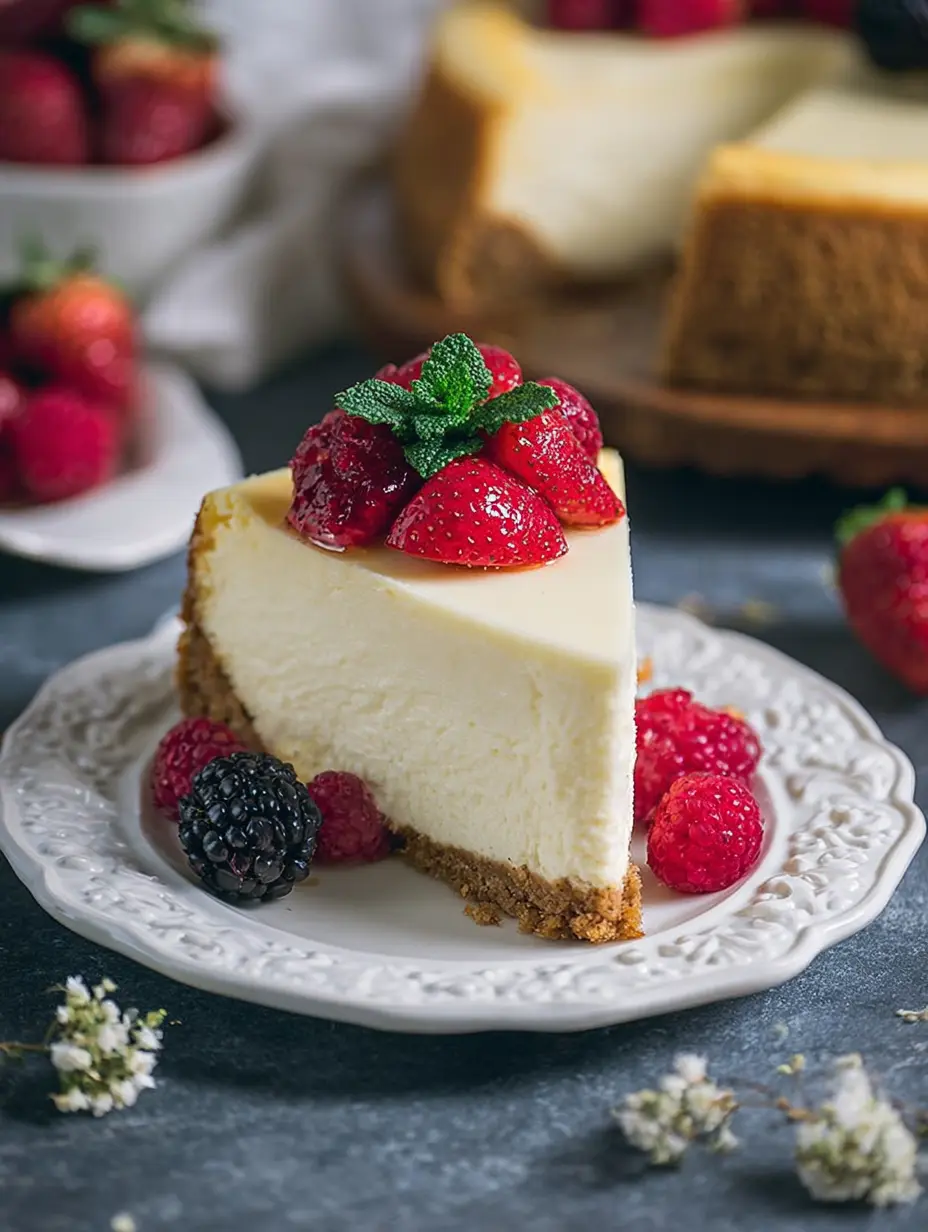
Nutritional Information Per Serving
This classic dessert is a treat best enjoyed in moderation. Here is the approximate nutritional breakdown for one generous slice.
| Nutrient | Amount per Serving |
|---|---|
| Calories | 500 kcal |
| Total Fat | 36 g |
| Carbohydrates | 32 g |
| Fiber | 1 g |
| Sugars | 24 g |
| Protein | 8 g |
| Sodium | 450 mg |
Conclusion: Your Signature Dessert Awaits
Mastering the classic baked cheesecake is a rewarding culinary achievement. With its rich history and universally adored flavor, it’s a dessert that commands attention.
By understanding the science behind the water bath, the importance of ingredient temperature, and the patience required for proper chilling, you can consistently produce a stunning, professional-quality cheesecake at home.
This recipe provides that reliable foundation. So preheat your oven, soften that cream cheese, and get ready to create a timeless dessert that will earn you rave reviews and requests for the recipe for years to come.
Recipe
Print
Classic Homemade Cheesecake with Smooth Cream Cheese Filling
- Total Time: 7 hr 35 min
- Yield: 12 servings 1x
Description
A timeless, creamy baked cheesecake with a buttery graham cracker crust and a perfectly smooth, tangy-sweet filling. The ultimate dessert for any occasion.
Ingredients
1 ½ cups graham cracker crumbs (170g)
2 Tablespoons sugar
1 Tablespoon brown sugar (can substitute white)
7 Tablespoons butter, melted
32 oz cream cheese, softened to room temperature (910g)
1 cup sugar (200g)
⅔ cups sour cream (160g)
1 ½ teaspoons vanilla extract
⅛ teaspoon salt
4 large eggs, room temperature, lightly beaten
Instructions
- Preheat oven to 325°F (160°C). Prepare crust by combining crumbs and sugars, then mixing in melted butter. Press firmly into a 9-inch springform pan.
- Wrap the outside bottom and sides of the springform pan tightly with a double layer of heavy-duty aluminum foil.
- In a large bowl, beat softened cream cheese until smooth. Add sugar and mix on low until combined.
- Add sour cream, vanilla extract, and salt, mixing until just incorporated.
- With mixer on low, gradually add the lightly beaten eggs, mixing only until no yellow streaks remain. Do not overmix.
- Pour filling over the crust. Tap pan on counter to release air bubbles.
- Place foil-wrapped pan in a large roasting pan. Place in oven, then pour hot water into the roasting pan until it comes halfway up the springform pan.
- Bake at 300°F (150°C) for 65-75 minutes, until edges are set but center still jiggles slightly.
- Turn off oven, crack door, and let cheesecake cool inside for 1 hour. Remove from oven and water bath, run a knife around the edge, and cool completely on a wire rack.
- Refrigerate, uncovered, for at least 6 hours or overnight before serving.
Notes
- Ensure all dairy ingredients (cream cheese, sour cream, eggs) are at room temperature for a smooth batter.
- The water bath is essential for even baking and preventing cracks. Seal the springform pan well with foil.
- Do not overmix the batter after adding the eggs, as this incorporates air and can cause cracking.
- The long chill in the refrigerator is non-negotiable for perfect texture and clean slices.
- Prep Time: 20 min
- Cook Time: 75 min
- Category: Main Course
- Method: Baked
- Cuisine: American
Nutrition
- Calories: 500 kcal
- Sugar: 24 g
- Sodium: 450 mg
- Fat: 36 g
- Carbohydrates: 32 g
- Fiber: 1 g
- Protein: 8 g