Transform simple chickpeas into a smooth, flavorful dip that serves as a perfect main course, appetizer, or snack. This homemade hummus recipe combines traditional Mediterranean techniques with American kitchen convenience to create a dish that’s both nutritious and deeply satisfying.
Unlike store-bought versions, this recipe gives you complete control over texture and flavor, ensuring a creamy, dreamy result every time. Hummus is a versatile staple that pairs wonderfully with vegetables, pita bread, or as a spread on sandwiches. Let’s dive into the art of making perfect hummus from scratch, a process that’s surprisingly simple and incredibly rewarding.
The Secret to Incredibly Smooth Hummus
Many home cooks struggle with achieving that signature creamy texture found in restaurant-quality hummus. The secret lies in a crucial, often overlooked step: cooking the chickpeas with baking soda.
This alkaline agent helps break down the chickpea skins and softens the legumes from the inside out, resulting in a paste that blends into a silky-smooth puree. It’s the single best trick for elevating your hummus from grainy to gourmet without needing to peel each chickpea individually.
Why This Method Works
Baking soda alters the pH of the cooking water, which accelerates the breakdown of pectin in the chickpea cell walls. This process, similar to how we create tender baked beans, allows the food processor to create an emulsion with the tahini and oil more effectively. The result is a hummus that’s light, airy, and luxuriously smooth. This technique is a game-changer for anyone who has been disappointed by past attempts at homemade hummus.
Ingredients for Perfect Homemade Hummus
Quality ingredients are paramount for outstanding flavor. Let’s break down the components of our recipe.
Core Components
You will need one 15-ounce can of chickpeas, drained and rinsed, and half a teaspoon of baking soda for cooking. The tahini, or sesame seed paste, should be well-stirred. Use three tablespoons of fresh lemon juice for bright acidity, and a quarter cup of extra-virgin olive oil for richness. For seasoning, use half a teaspoon (or more) of ground cumin, a quarter teaspoon (or more) of cayenne pepper for a gentle heat, and kosher salt to taste.
Garnishes and Serving Suggestions
For serving, have extra olive oil on hand for drizzling. Optional garnishes include Aleppo-style pepper or paprika and chopped fresh parsley. These add visual appeal and layers of flavor. Remember, a beautiful presentation makes this dish perfect for sharing, much like our popular Mardi Gras Deviled Eggs or Dill Pickle Deviled Eggs.
Step-by-Step Instructions for Creamy Hummus
Follow these detailed steps to ensure perfect results. The total active time is minimal, making this an easy recipe for any skill level.
Cooking the Chickpeas
In a medium pot, combine the drained chickpeas and baking soda. Cover with water by about two inches. Place the lid on the pot and bring to a boil over medium-high heat. Once boiling, cook for about 15 minutes. You’ll know they’re ready when the chickpeas begin to break down and the skins are slipping off. Carefully drain the chickpeas in a colander and give them a quick rinse with cool water. This step is essential for the creamiest texture.
Blending to Perfection
Transfer the warm, cooked chickpeas to the bowl of a food processor. Add the tahini and fresh lemon juice. Secure the lid and pulse the mixture for about two minutes, until it becomes a thick, relatively smooth paste. Scrape down the sides as needed. With the motor running, slowly drizzle in the quarter cup of olive oil until it’s fully incorporated and the mixture looks creamy.
Next, add the ground cumin, cayenne pepper, and one and a half teaspoons of kosher salt. Pulse again to combine. Taste and adjust the seasonings—you might want more salt, cumin, or lemon juice. Finally, add one tablespoon of water and continue to blend for another minute or two until the hummus is ultra-smooth and fluffy.
Finishing and Presentation
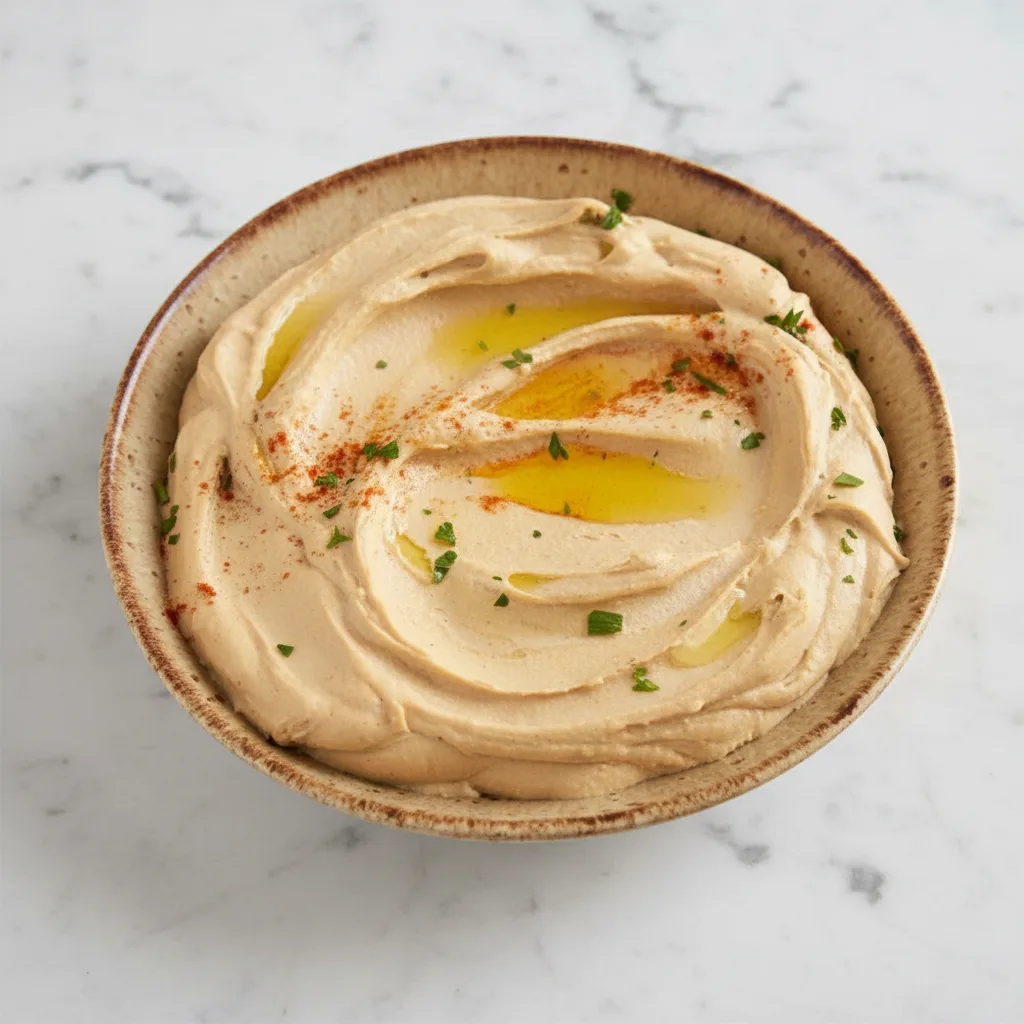
Use a spatula to transfer the hummus to a wide, shallow serving bowl. Using the back of a spoon, create swirls or a well in the center. This isn’t just for looks; it creates pockets for the finishing oil.
Generously drizzle the top with more high-quality extra-virgin olive oil. Sprinkle with Aleppo-style pepper (or paprika) and chopped fresh parsley if desired. This beautiful presentation makes it a centerpiece dish, similar in appeal to a great Pimiento Cheese Deviled Eggs platter.
Nutritional Benefits of Homemade Hummus
This creamy dip isn’t just delicious; it’s packed with nutrients that make it an excellent choice for a healthy main course or snack.
| Nutrient | Amount per Serving |
|---|---|
| Calories | 226 Calories |
| Fat | 16 g |
| Carbohydrates | 11 g |
| Protein | 6 g |
| Fiber | 5 g |
| Sugar | 2 g |
| Sodium | 228 mg |
Chickpeas are an excellent source of plant-based protein and fiber, which aid in digestion and promote a feeling of fullness. The healthy fats from olive oil and tahini support heart health and help your body absorb fat-soluble vitamins. Making it at home allows you to manage the sodium content, unlike many pre-made options.
Creative Variations and Serving Ideas
Once you master the basic recipe, the customization possibilities are endless, making hummus a versatile player in your culinary repertoire.
Flavor Twists
Try adding roasted red peppers, a handful of fresh herbs like cilantro or dill, a roasted beet for vibrant color and sweetness, or a couple of cloves of roasted garlic for a deeper, mellower flavor. For a richer, tangier variation, blend in a splash of balsamic vinegar or a spoonful of sun-dried tomato paste.
How to Serve as a Main Course
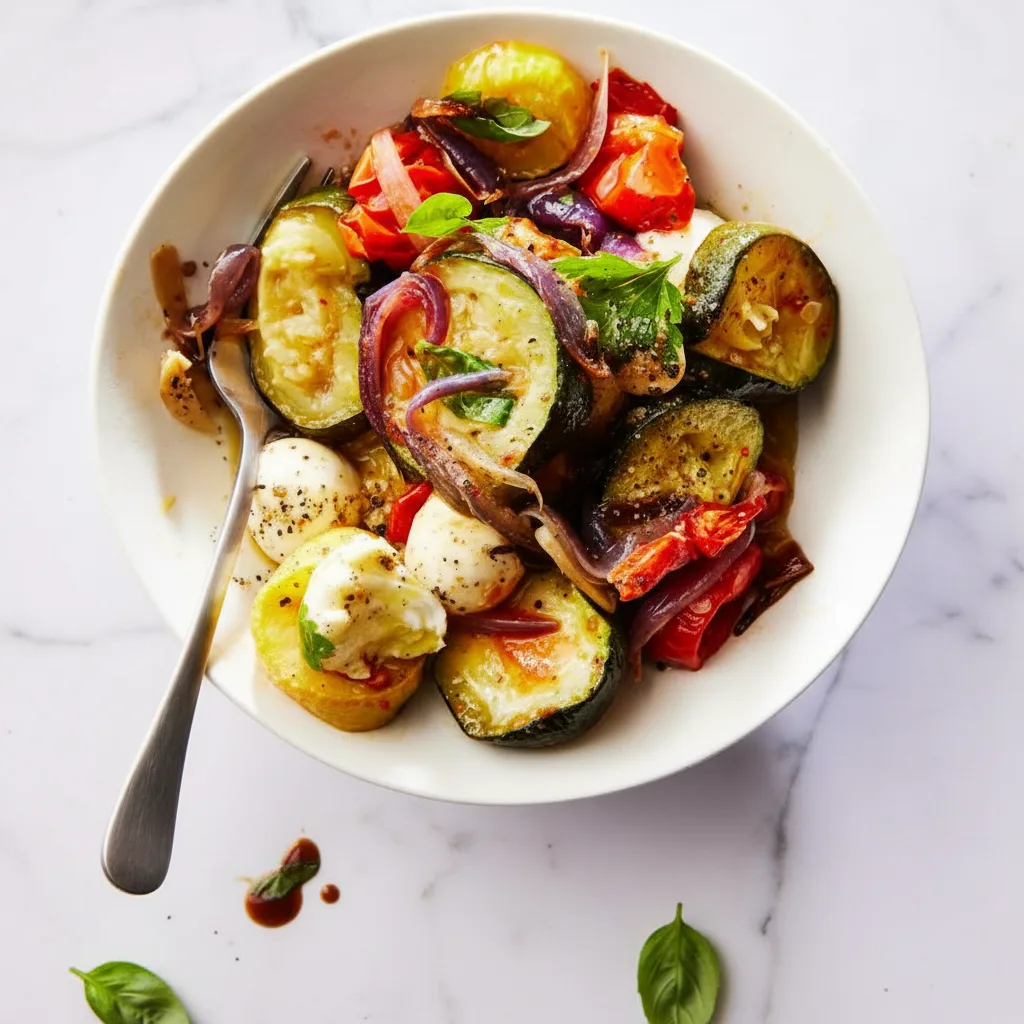
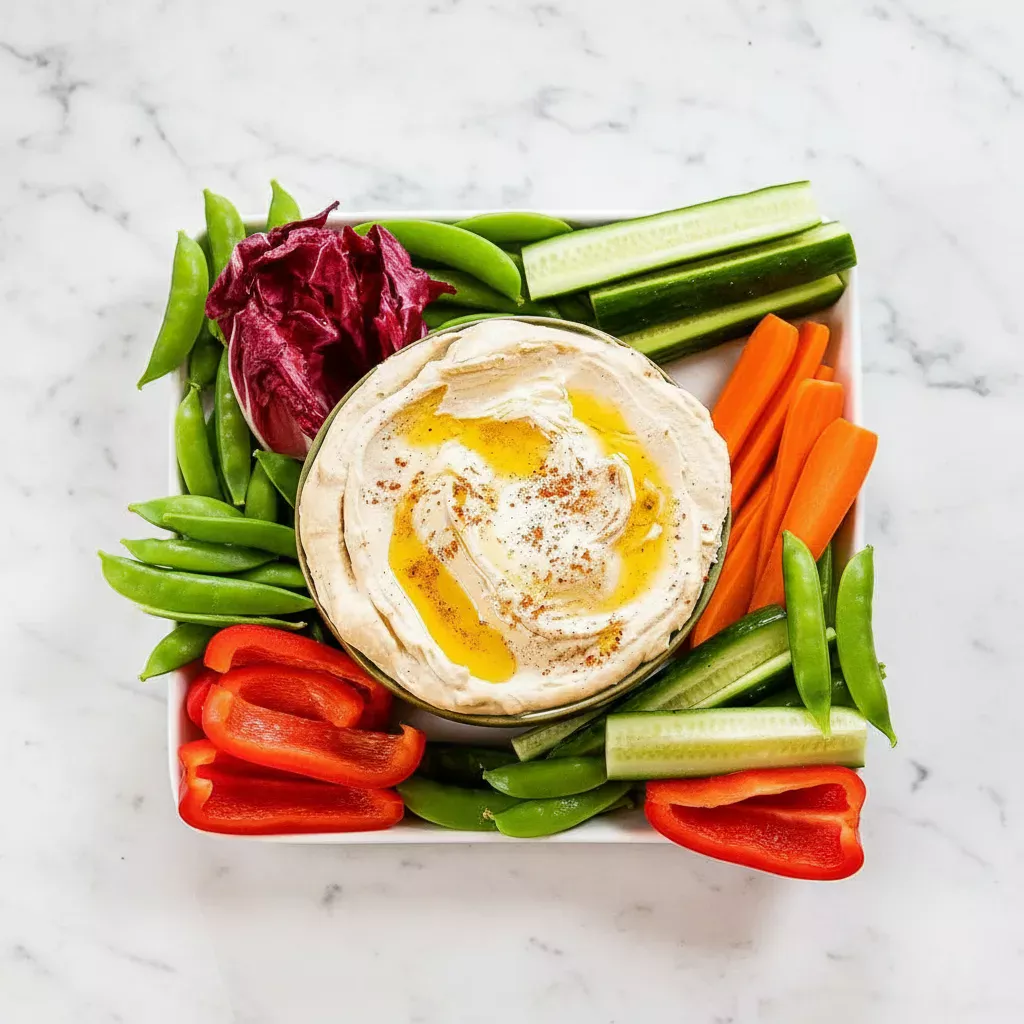
To elevate this dip into a satisfying main course, create a ‘Hummus Bowl’ or ‘Hummus Platter.’ Spread a generous layer of hummus on a large plate. Top with a selection of grilled vegetables (like zucchini, bell peppers, and eggplant), falafel, olives, chopped cucumber, tomato, and fresh herbs. Serve with warm pita bread or toasted pita chips on the side. This deconstructed, interactive meal is perfect for casual dinners or entertaining.
Storage and Make-Ahead Tips
Homemade hummus stores beautifully, making it an ideal make-ahead dish. Transfer cooled hummus to an airtight container. Pour a thin layer of olive oil over the surface before sealing this acts as a barrier to keep the hummus from drying out. Refrigerate for up to one week. The flavors often meld and improve after a day.
If the hummus thickens in the fridge, simply stir in a teaspoon of warm water or lemon juice when ready to serve to restore its creamy consistency. For longer storage, hummus can be frozen for up to three months. Thaw overnight in the refrigerator before using.
Why This Hummus Recipe is a Kitchen Essential
This homemade hummus recipe delivers a superior texture and flavor that far surpasses anything from a supermarket tub. The simple baking soda trick is the key to unlocking a smooth, creamy consistency without special equipment. As a vegan, gluten-free, and nutrient-dense dish, it fits into almost any dietary preference.
Whether you’re looking for a quick and healthy snack, an impressive appetizer for guests, or a foundational element for a vibrant main course platter, this creamy hummus is the answer. Its versatility, ease of preparation, and incredible taste make it a recipe you’ll return to again and again.
Recipe
Print
Homemade Hummus
- Total Time: 25 min
- Yield: 8 servings 1x
Description
A creamy, smooth homemade hummus made with a secret baking soda trick for perfect texture. A versatile vegan main course or dip.
Ingredients
- 1 (15-oz.) can chickpeas, drained, rinsed
- 1/2 tsp. baking soda
- 1/2 c. tahini
- 3 tbsp. fresh lemon juice
- 1/4 c. extra-virgin olive oil, plus more for serving
- 1/2 tsp. (or more) ground cumin
- 1/4 tsp. (or more) cayenne pepper
- tsp. Kosher salt
- Aleppo-style pepper or paprika and chopped fresh parsley, for serving (optional)
Instructions
- In a medium pot, cover chickpeas and baking soda with water by about 2′. Cover pot and bring to a boil. Cook until chickpeas begin breaking down, about 15 minutes. Drain, then rinse chickpeas.
- Transfer chickpeas to a food processor. Add tahini and lemon juice. Pulse until mixture is smooth, about 2 minutes. With the motor running, slowly add oil until combined. Add cumin, cayenne, and 1 1/2 tsp. salt and pulse again to combine; adjust seasonings as needed. Add 1 Tbsp. water and continue to blend until hummus is smooth.
- Transfer hummus to a serving bowl. Drizzle with more oil and sprinkle with Aleppo-style pepper and parsley (if using).
Notes
- For the creamiest texture, do not skip cooking the chickpeas with baking soda.
- Adjust seasonings to your taste after blending.
- Hummus can be stored in an airtight container in the fridge for up to a week.
- Prep Time: 5 min
- Cook Time: 15 min
- Category: Main Course
- Method: Baked
- Cuisine: American
Nutrition
- Serving Size: 1/8 recipe
- Calories: 226 Calories
- Sugar: 2 g
- Sodium: 228 mg
- Fat: 16 g
- Saturated Fat: 2 g
- Unsaturated Fat: 13 g
- Trans Fat: 0 g
- Carbohydrates: 11 g
- Fiber: 5 g
- Protein: 6 g
- Cholesterol: 0 mg