Spring brings a burst of fresh flavors, and nothing celebrates the season like a comforting bowl of Minestrone. This bright, veggie-packed soup is perfect for busy weeknights or a relaxed weekend lunch. By combining tender root vegetables, fresh herbs, and a gentle vegetable broth base, you create a dish that warms both body and soul. Ready to dive into the heart of spring?

Why You’ll Love This Minestrone
Because it balances hearty texture with light, clean flavors, mines trone is a versatile staple. The combination of caramelized leeks and garlic sets a savory foundation, while crisp carrots provide subtle sweetness.
When you whisk in fresh spinach and parsley near the end, the soup brightens with a bright, almost citrusy pop. As a result, every spoonful feels both comforting and revitalizing, making it a go‑to dish for any season.
Recipe
Print
Spring Minestrone with Fresh Vegetables
- Total Time: 40 min
- Yield: 6 servings 1x
Description
A refreshing, veggie‑rich minestrone that captures spring’s bounty.
Ingredients
- 3 tablespoons extra-virgin olive oil (45 ml)
- 3 cloves garlic (9 g)
- 2 leeks (200 g)
- 1 teaspoon finely chopped fresh rosemary (5 ml)
- 4 carrots (800 g)
- 3 celery stalks (150 g)
- 1/4 teaspoon red pepper flakes (0.5 g)
- 1 potato (200 g)
- 1/2 cup chopped tomato (120 g)
- 4–6 cups vegetable stock (1–1.5 L)
- 2 small zucchini (180 g)
- 1 cup peas (80 g)
- 1 cup baby spinach (30 g)
- 1 cup parsley (30 g)
- salt and pepper (to taste)
Instructions
- Heat 3 tablespoons extra‑virgin olive oil in a large pot over medium heat.
- Add smashed garlic, sliced leeks, rosemary, carrots, celery, and red pepper flakes; cook for 2 minutes until fragrant.
- Next, add the diced potato and chopped tomato, season with salt and pepper, and cook another 2 minutes.
- Pour in vegetable stock and bring to a gentle simmer; cover and cook for about 10 minutes.
- If you’re adding pasta, add it now and cook until al dente; then add zucchini and peas, simmer for another 10 minutes.
- Finish by stirring in spinach and parsley. Adjust seasonings if needed and serve hot.
Notes
- Use fresh, organic vegetables whenever possible.
- Do not overcook vegetables; keep them tender but firm.
- Prep Time: 10 min
- Cook Time: 30 min
- Category: Main Course
- Method: Baked
- Cuisine: American
Ingredients and Substitutions
Gather these fresh ingredients: extra‑virgin olive oil, smashed garlic, leeks or onion, rosemary, carrots, celery, red pepper flakes, potato, tomato, vegetable stock, zucchini, peas, spinach, parsley, salt, and pepper.
If you’re short on any item, simple swaps work beautifully. For instance, replace leeks with a finely chopped onion, and swap stock for water if you prefer a lighter taste. Likewise, freeze‑dried peas give the same sweet burst without the need for fresh stock.
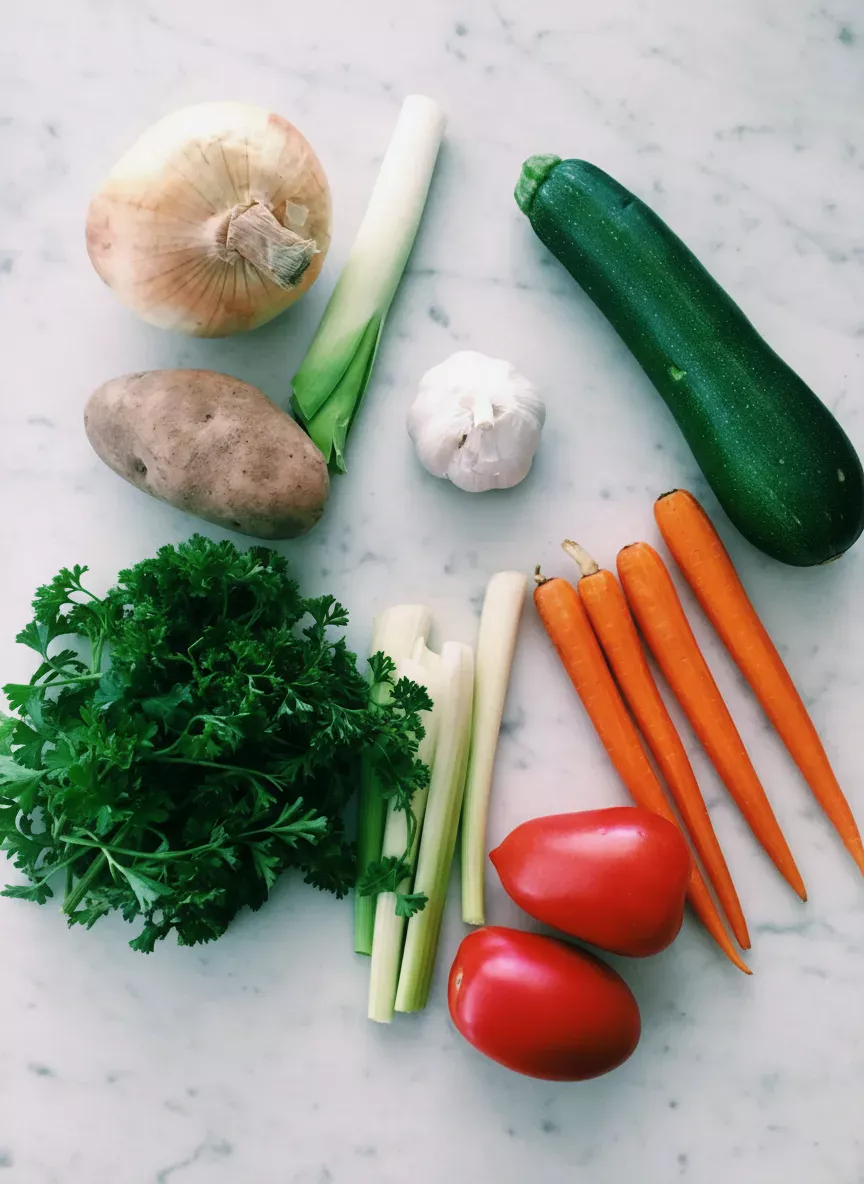
How to Make Spring Minestrone
Heat 3 tablespoons extra‑virgin olive oil in a large pot over medium heat. Add smashed garlic, sliced leeks, rosemary, carrots, celery, and red pepper flakes; cook for 2 minutes until fragrant. Next, add the diced potato and chopped tomato, season with salt and pepper, and cook another 2 minutes.
Pour in vegetable stock and bring to a gentle simmer; cover and cook for about 10 minutes. If you’re adding pasta, add it now and cook until al dente; then add zucchini and peas, simmer for another 10 minutes. Finish by stirring in spinach and parsley. Adjust seasonings if needed and serve hot.
Pro Tips for Success
To avoid a watery soup, use a thicker stock or reduce the liquid after simmering. For extra depth, toast the vegetables in oil for a few minutes before simmering. Make sure your spices are fresh; pepper and rosemary lose potency quickly.
If you prefer a heartier dish, incorporate a handful of beans or lentils. Remember to give the soup a quick taste near the end adjust salt or pepper before adding the final herbs to finish on a balanced note.
Flavor Variations
Swap the fresh herbs to create seasonal twists. Late summer invites basil or oregano, whereas cooler days thrive with sage or thyme. Swap the potato for sweet potatoes or butternut squash for a sweeter finish. To boost umami, add a splash of a low‑sodium soy sauce just before serving.
If you’re craving a smoky edge, grate a thin layer of smoked paprika into the base. These variations keep the core spirit intact while offering endless creativity. If you enjoy a lighter, minty option, try our pea and mint spring soup.
Serving Suggestions
Serve your Minestrone hot, paired with a crusty slice of toasted bread or a light, buttery roll. A drizzle of extra‑virgin olive oil or a touch of freshly grated Parmesan elevates the dish without overpowering the fresh vegetables.
For a festive touch, garnish with a few basil leaves or a sprinkle of toasted pine nuts. If you serve it family‑style, encourage guests to dip their bread into the savory center, creating a shared, comforting experience. For a complementary side, see our vegetarian spring pistou soup.
Storage and Freezing Instructions
Store leftover soup in airtight containers or freezer‑safe bags, leaving just enough space for expansion when freezing. Label each with the date to keep track. Reheat gently on low heat or in a microwave, stirring frequently to ensure even warmth. For best texture, avoid overheating or letting the soup boil too quickly; this preserves the bite of vegetables. When ready to serve, taste the soup and adjust seasoning if needed.
Nutrition Facts per Serving
Here’s a quick look at the nutritional profile for each serving.
| Calories | Fat | Carbs | Protein | Fiber | Sugar | Sodium |
|---|---|---|---|---|---|---|
| 250 | 6 g | 30 g | 8 g | 6 g | 8 g | 600 mg |
FAQs About Spring Minestrone
Can I use canned tomatoes instead of fresh?
Definitely! Using canned tomatoes adds convenience without compromising flavor. Simply replace the fresh tomato with one small can—drained well—to maintain the right balance of acidity. Combine with crushed tomatoes for a richer texture or opt for diced for a chunkier feel. Adjust seasoning slightly after adding the canned ingredient, and the soup will still deliver that bright, tomato‑y base you love.
Is this soup vegetarian?
Absolutely! By using vegetable stock instead of animal broths, this recipe stays fully vegetarian. Even if you prefer a richer broth, you can add a splash of unsweetened almond milk or a veggie slurry. Just remember to keep the tomato and vegetable base intact so the soup remains light yet satisfying. This approach makes it suitable for vegans and plant‑based diners alike.
Can I make this ahead of time?
Yes, you can prepare the soup in advance. After cooking, let the soup cool completely, then refrigerate in sealed containers for up to 3 days. For long‑term storage, freeze in one‑quart portions. Reheat gently to avoid losing texture. The flavors actually deepen over time, so the next day may taste even better.
What can I add for extra protein?
Consider tossing in a handful of cooked lentils, chickpeas, or a scoop of tofu. Both legumes and tofu blend smoothly with the soup’s texture, boosting protein without masking the bright flavors. Add them during the last ten minutes to keep their firmness intact, especially if using silken tofu.
Can I use other soups as a base?
Indeed, you can start by cooking a light vegetable broth separately, then combine it with the minced veggies. This technique lets you control the salt level and keep the soup clear before adding the solids, producing a more refined flavor. Many chefs favor this trick for a cleaner presentation.
Final Thoughts
Gather all your favorite ingredients, fire up the pot, and let the garden’s color and aroma fill your kitchen, turning a simple meal into a nourishing, memorable experience. Every spoonful of this spring minestrone carries the freshness of the season and invites you to slow down, enjoy, and savor the moment. So grab a mug, press play, and let the cooking begin. Remember, each ladle carries a story of community, nourishment, and shared moments, inspiring gratitude today everyday.
History and Cultural Roots
Minestrone, literally meaning “to mix” in Italian, traces its origins to the kitchens of medieval southern Italy. In those years, cooks combined readily available vegetables with beans and flour to create a filling soup. Over time, the recipe evolved, spreading across Europe and eventually reaching North America through Italian immigrants who adapted it to local produce.
During the Great Depression, minestrone became a symbol of resourcefulness as families blended leftovers into nourishing pot. Post‑war prosperity introduced canned goods, allowing the soup to be mass‑produced while retaining its comforting appeal. Today, Italian restaurants serve countless variations, each reflecting regional preferences—whether it’s zucchini‑heavy Tuscan versions or chickpea‑rich Sicilian takes.
In contemporary times, minestrone has embraced vegetarians and vegans alike, thanks to its plant‑based roots. Availability of fresh vegetables allows cooks to experiment with seasonal flavors, guaranteeing no two bowls are ever identical. This adaptability highlights the dish’s charm, proving that simplicity can evolve into culinary artistry.
For those curious about culinary history, minestrone offers a delicious way to trace food migration, cultural adaptation, and regional resourcefulness. The act of simmering vegetables into a broth echoes kitchens from Naples to New York, reminding us of the power of shared nourishment. As you stir this season’s broth, remember that every spoonful carries centuries of humble, yet profound, tradition and the sense of community sharing through cooking together everyday.
Seasonal Tips
Choosing produce at peak season amplifies flavor and reduces cost. In late spring, embrace radishes, asparagus, and fresh peas for a vibrant bite. As tomatoes and zucchini grow richer, they deepen the soup’s aroma. When winter approaches, swap spring greens for kale or spinach, and add root veggies like parsnip or turnip.
By buying locally, you support community farms and enjoy the freshest, most sustainable ingredients. And savor the authentic taste of seasonal freshness, for everyone. Let the flavors guide your culinary creativity today every day.
Equipment Tips
A sturdy, wide‑bowl pot with a tight‑fitting lid is essential for an even simmer. Use a wooden spoon to stir gently, preventing the veggies from sticking or scorching. For precise heat control, place a heat‑resistant silicone mat under the pot. If you prefer a cloudier soup, add a pinch of cornflour diluted in a splash of water; this thickens without altering flavor.
Storing the leftover soup in an airtight container ensures it stays fresh for up to four days. When reheating, gently warm the soup over low heat, stirring frequently to maintain a silky texture without compromising flavor and aroma.
Healthy Alternatives
To lower sodium, use a homemade broth spiced with bay leaves and peppercorns. Swap regular rice or pasta for quinoa or barley to bump up fiber. For a dairy free version, finish with a splash of coconut milk or cashew cream.
If you’re craving a crunch, sprinkle toasted almonds or pumpkin seeds just before serving; they add texture without extra sodium. Adding fresh herbs at the end boosts aroma. A twist of spice such as cumin or smoked paprika can deepen the flavor without increasing salt. Finish with a sprinkle of toasted pumpkin seeds for a satisfying crunch and added omega‑3.
Chef’s Insight
When I first learned to make minestrone, I followed a strict traditional recipe. Every adjustment from adding a spoonful of rice to substituting spinach for kale brought a new dimension to the flavor. In the kitchen, I still experiment, discovering how slight changes in simmer time or ingredient order can elevate the stew.
I encourage cooks to treat this recipe as a canvas, letting seasonal produce guide the final masterpiece. I’ve also tried adding chickpeas for protein, which add texture and keep the soup light each day. Additionally, a drizzle of lemon‑infused oil before serving brightens flavor and adds fresh zing today